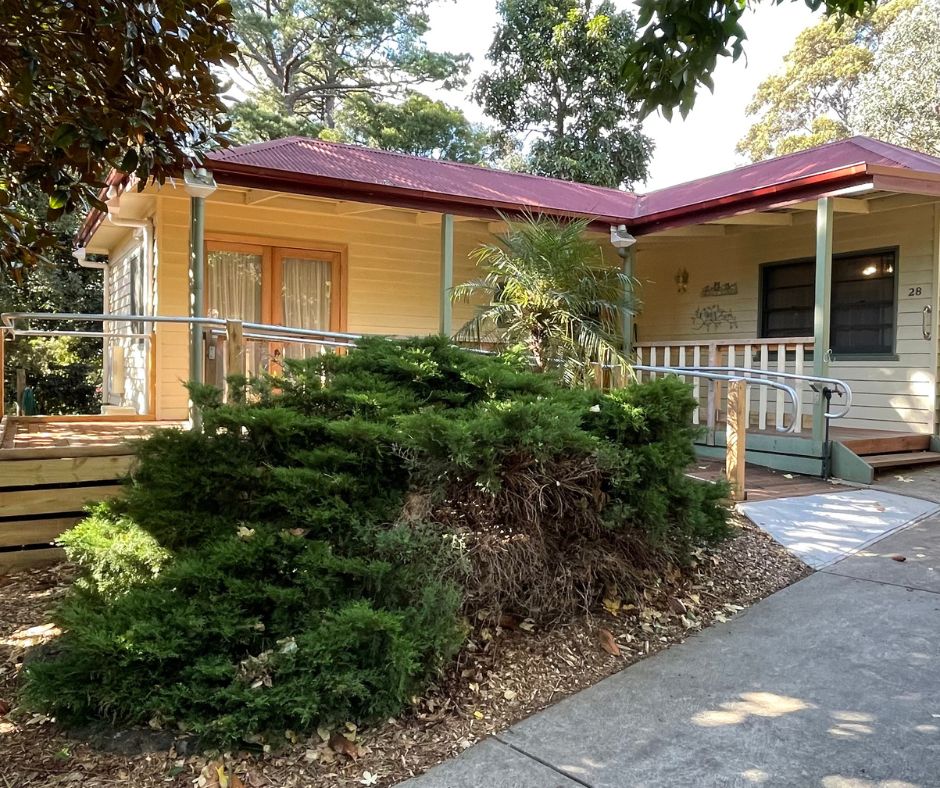
Supported Independent Living
Assessments That Get The Details Right
When it comes to Supported Independent Living (SIL), getting the right level of funding depends on getting the story right—your story.
SIL is designed to fund the paid support people need to live as independently as possible, whether that’s in a shared home, on your own, or with others. But before funding can be approved, the NDIS needs detailed, reliable evidence of how much support you need, when you need it, and why.
That’s what a SIL assessment is all about—and we’re here to make sure it’s done properly.
We work with you (and those who know you best) to carefully map out your daily routines, support requirements, risks, and capacity across every part of the day and night. From medication to meals, community access to emotional support, we make sure your needs are clearly understood—not just as a snapshot, but as a full picture.
We don’t rush the process or rely on assumptions. We take the time to really understand how supports are being used now, what’s working, and what needs to change. This helps ensure the roster of care is accurate, appropriate, and sustainable—and that your funding application is well-justified and easy for the NDIS to assess.
Good SIL assessments don’t just secure the right level of support—they create clarity for everyone involved. They help teams work together more effectively, reduce stress on informal supports, and build a strong foundation for supported living that actually works in real life.

What is a SIL assessment, and why do I need one?
A SIL assessment provides detailed evidence to support a request for NDIS-funded support in your home that go above standard supports. (sometimes considered as more than 8 hours).
It outlines the type, frequency, and intensity of assistance you need across the day and night. Without this, it’s difficult for the NDIS to determine what funding is reasonable and necessary.
A high-quality assessment ensures your needs are clearly understood and accurately represented.
Do I need to be living in SIL to get a SIL assessment?
No. You don’t need to already be in a SIL arrangement to explore your options.
In fact, many people complete a SIL assessment to determine what kind of housing or support model would work best for them.
It can be a useful planning tool, even before any changes are made.
Who is involved in the assessment process?
We work closely with you—and with anyone you’d like involved, such as family, support workers, or your support coordinator.
Input from people who understand your day-to-day needs helps us build a more complete and accurate picture of your current and future support requirements.
Will this assessment affect my current living situation?
Not unless you want it to. A SIL assessment is about documenting your needs—it doesn’t lock you into any particular arrangement. It can support your current living setup or explore alternatives. You remain in control of any decisions that follow.
What happens if the NDIS doesn’t approve SIL funding?
A strong assessment reduces that risk by clearly explaining your support needs in language the NDIA understands. If funding is declined or partially approved, the report can also support a review or reassessment process. Either way, the information gathered can still help strengthen your overall NDIS plan.
Let’s Talk About What’s Possible
Are you ready to start?
WE SURE ARE